


Gongzheng
Gongzheng
Gongzheng
Gongzheng
Gongzheng
Gongzheng
Gongzheng
Gongzheng
Gongzheng
Gongzheng
Gongzheng
Gongzheng
Gongzheng
Gongzheng
Gongzheng
Gongzheng


Ang filter ng air dryer ay isa sa pinakamahalagang sangkap sa compressed air system. Ang pangunahing tungkulin nito ay alisin ang kahalumigmigan, langis at iba pang mga dumi mula sa naka-compress na hangin upang panatilihing tuyo at malinis ang hangin. Upang matiyak ang mahusay na pagganap ng pag-filter, ang mga filter ng air dryer ay gumagamit ng iba't ibang mga materyales. Ang mga materyales na ito ay hindi lamang dapat magkaroon ng mahusay na mga kakayahan sa pag-filter, ngunit maging matibay, matipid at madaling mapanatili.
Karaniwang air dryer filter na materyales
Naka-activate na carbon
Naka-activate na carbon is one of the commonly used adsorption materials in air dryer filters. Its surface has a large number of tiny pores, which can effectively adsorb moisture, oil mist and other particles. Activated carbon filter elements perform well in removing oil, gas and moisture, and are especially suitable for compressed air systems that require high cleanliness. During use, activated carbon can firmly fix pollutants on its surface through physical adsorption, thereby ensuring dry and clean air.
Sintetikong hibla
Sintetikong hibla material is a high-efficiency filter material that is widely used in air dryer filter elements. Synthetic fiber not only has high filtering accuracy, but also can maintain good filtering effect under large air flow. Common synthetic fiber materials include polyester, polypropylene, etc. These materials are effective in removing moisture and oil, and are particularly suitable for working environments with high humidity and high oil mist. Synthetic fiber filter elements have a long service life and are easy to clean and maintain.
Hindi kinakalawang na asero wire mesh
Hindi kinakalawang na asero wire mesh filter elements are simple and durable filter elements suitable for harsh working conditions. Its advantages are high temperature resistance, corrosion resistance, and strong pressure resistance, so it can adapt to various high temperature and harsh working environments. Stainless steel wire mesh filter elements can filter large particles and impurities, and are often used in air filtration systems that require higher precision. In addition, due to the special nature of stainless steel, its filter element has a long service life and is easy to maintain.
Materyal na seramik
Materyal na seramik filter elements are usually used in high-precision air drying and filtering applications. Ceramic materials themselves have excellent chemical stability and can maintain their performance in high temperature environments. Therefore, they are often used in special industrial applications such as aerospace, chemical industry and other fields. The advantages of ceramic filter elements are strong corrosion resistance, ability to withstand extreme working conditions, and good mechanical strength, which can effectively prevent particles and moisture in compressed air from entering the system.
Non-woven na tela
Non-woven na tela is a filter material made of fiber or textile by hot pressing, chemical bonding, etc. It has good filtering performance and can work continuously under high flow conditions. Non-woven filter elements are usually used in medium and low precision air dryer systems, especially in applications that do not require extremely high filtering accuracy. The filtering capacity of non-woven fabrics is affected by its density and structure, and it has a high cost-effectiveness and is suitable for long-term use.
Pagpili ng materyal na elemento ng filter ng air dryer
Ang pagpili ng tamang materyal na elemento ng filter ay hindi lamang maaaring mapabuti ang kahusayan ng air dryer, ngunit pahabain din ang buhay ng serbisyo ng kagamitan. Ang mga elemento ng filter ng iba't ibang mga materyales ay may iba't ibang mga epekto sa pag-filter at mga naaangkop na okasyon, kaya kailangan nilang piliin ayon sa mga partikular na pangangailangan.
Mga kinakailangan sa mataas na katumpakan: Kung ang sistema ay nangangailangan ng mas mataas na kalinisan ng hangin, kadalasang inirerekomendang gumamit ng activated carbon, mga ceramic na materyales o mga elemento ng synthetic fiber filter. Ang mga materyales na ito ay may malakas na adsorption at katumpakan ng pag-filter, at maaaring mag-alis ng maliit na ambon ng langis at kahalumigmigan sa hangin.
Mga kinakailangan sa mataas na daloy: Para sa malalaking daloy ng compressed air system, inirerekomendang gumamit ng synthetic fiber o stainless steel mesh filter elements. Ang mga materyales na ito ay maaari pa ring mapanatili ang mahusay na mga epekto sa pag-filter sa ilalim ng malaking daloy ng hangin, at hindi magiging sanhi ng labis na pagbaba ng presyon, na tinitiyak ang normal na operasyon ng system.
Matitinding kondisyon sa kapaligiran: Sa mataas na temperatura o kinakaing unti-unti na mga kapaligiran, ang mga ceramic na filter o hindi kinakalawang na asero na mesh na filter ay kadalasang pinakamahusay na pagpipilian. Maaari nilang mapanatili ang matatag na pagganap ng pagsasala sa matinding temperatura at lumalaban sa kaagnasan at pagkasira.
Epekto ng air dryer filter material sa performance
Ang material of the air dryer filter directly affects the filtration effect, equipment operating efficiency and service life. Filters of different materials have different filtration performance, durability and applicable environments. Improper selection may lead to poor filtration effect, increased equipment wear and even system failure.
Katumpakan ng filter: Ang mga elemento ng activated carbon at synthetic fiber filter ay kadalasang may mas mataas na katumpakan ng pagsasala at mabisang makapag-alis ng oil mist, moisture at pinong impurities mula sa hangin. Ang hindi kinakalawang na asero na mesh at non-woven na mga elemento ng filter ay angkop para sa pag-filter ng mas malalaking particle, na may medyo mas mababang katumpakan, ngunit maaaring gumana nang tuluy-tuloy sa mas mataas na mga rate ng daloy.
Durability: Ang mga stainless steel at ceramic na elemento ng filter ay mas mataas kaysa sa iba pang mga materyales sa mga tuntunin ng tibay at maaaring gumana nang matatag sa mataas na temperatura, mataas na presyon at kinakaing unti-unti na mga kapaligiran, habang ang synthetic fiber at activated carbon filter na mga elemento ay maaaring mangailangan ng mas madalas na pagpapalit o pagpapanatili.
Cost-effectiveness: Non-woven at synthetic fiber filter na mga elemento ay cost-effective at angkop para sa karamihan ng mga karaniwang pang-industriya na aplikasyon. Ang mga activated carbon at ceramic filter ay medyo mahal, ngunit ang epekto at tibay ng mga ito sa pag-filter ay karaniwang mas mahusay, at ang mga ito ay angkop para sa mga okasyon na may mas mataas na mga kinakailangan sa kalidad ng hangin.
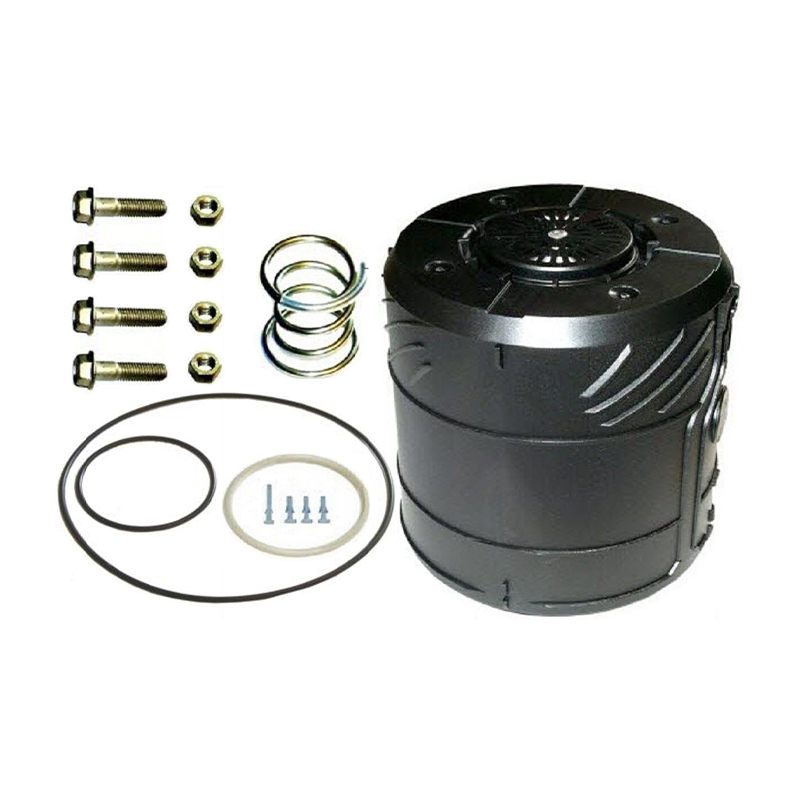
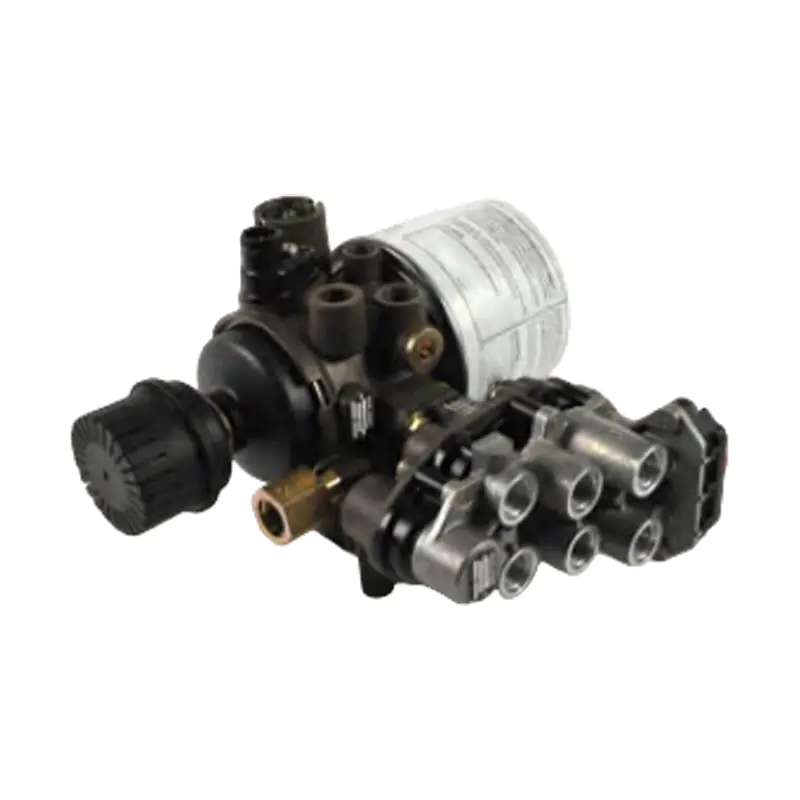
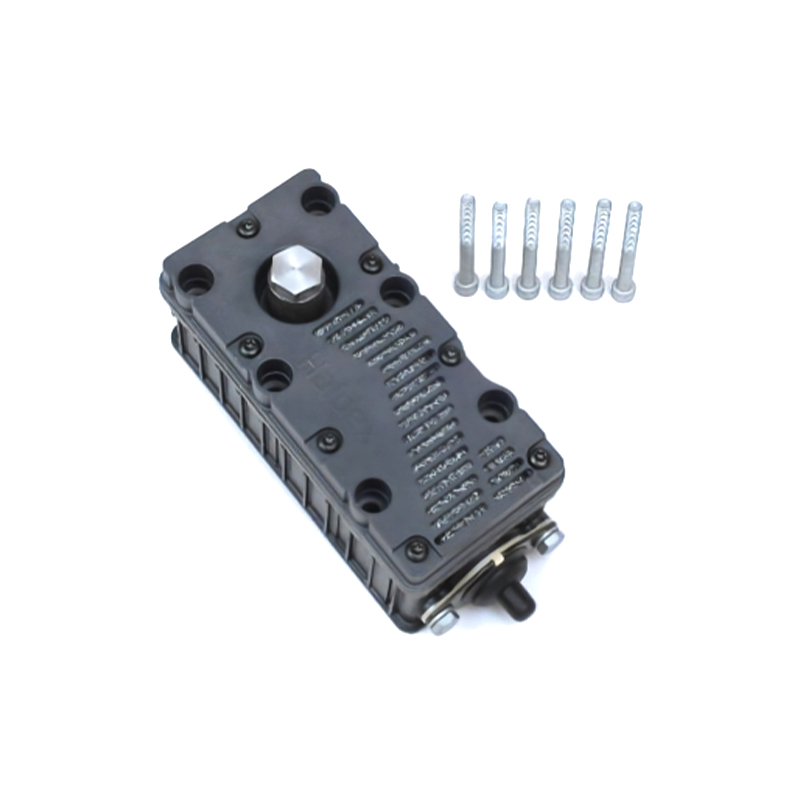
Ang Aming Mga Pangunahing Produkto
Copyright © Zhejiang Gongzheng Machinery Co., Ltd. Lahat ng Karapatan ay Nakalaan.
